5-Element Canine Personality Type
What is a Dog’s 5-Element Personality Type and Why Does It Matter?
The Constitution or Personality 5-Element Type that best fits your dog helps predict strengths & weaknesses and disease your pet may be susceptible to. The 5-Element System helps you understand your pet’s personality, choose a companion pet, or prepare your pet for Seasonal Weather changes.
The modern practice of Traditional Chinese Veterinary Medicine (TCVM) recognizes 5 Elements based on the Daoist (naturalistic) roots of the practice. The 5 Elements are Wood, Fire, Earth, Metal and Water.
“What about air?” you ask, especially if you have read The Four Agreements.
“In TCVM, there are 6 pathogens. Six disease-causing entities. They are Hot, Cold, Dry, Damp, Summer Heat (think heat stroke), and Wind. These 6 can knock the body off its regulating balance and cause symptoms we recognize as disease patterns,” says Doc Truli.
What are the Dog 5-Element Types?
WOOD – The General – Strengths: decisive, assertive, bossy, strong, impulsive, intolerant, athletic stamina, “winners”
Struggles: anger easily (may bite), red eyes, liver problems, torn ligaments, ear, anal sac, foot disease
What usually reveals WOOD character: competitiveness, bossiness
Watch out: SPRING seizures, allergies, itchiness
Companion Match: will invigorate a FIRE, prod an EARTH to more action, exhaust a WATER
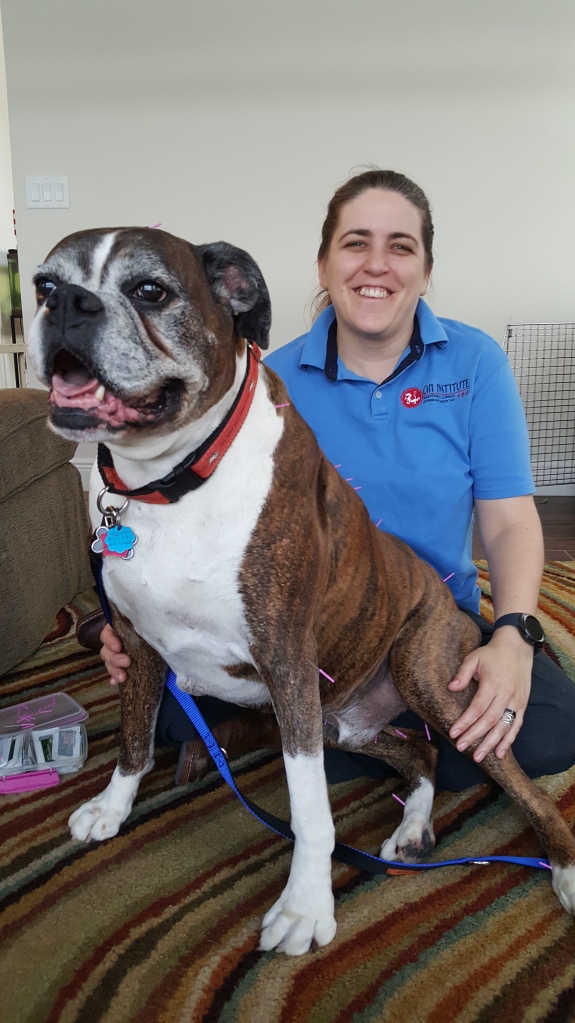
Oscar is a classic Wood. Will fight first, ask questions later, Excels at nose-work. Strong, stubborn, must have his own way. Green is the color associated with the Wood element. Of course, there are no naturally green dogs- the 5-Element types can be any color fur. They often are representative of the Element.
FIRE – The Emperor – Charms: lively, communicative, center of attention, very friendly, affectionate, sensitive
Challenges: separation anxiety, panic, heart disease, restless, insanity, craziness
What usually reveals FIRE character: kisses you past all reason, photobomber
Watch out: SUMMER skin infections, thunderstorm phobia, heat stroke
Companion Match: will nourish an EARTH, hone a METAL, frustrate a WOOD
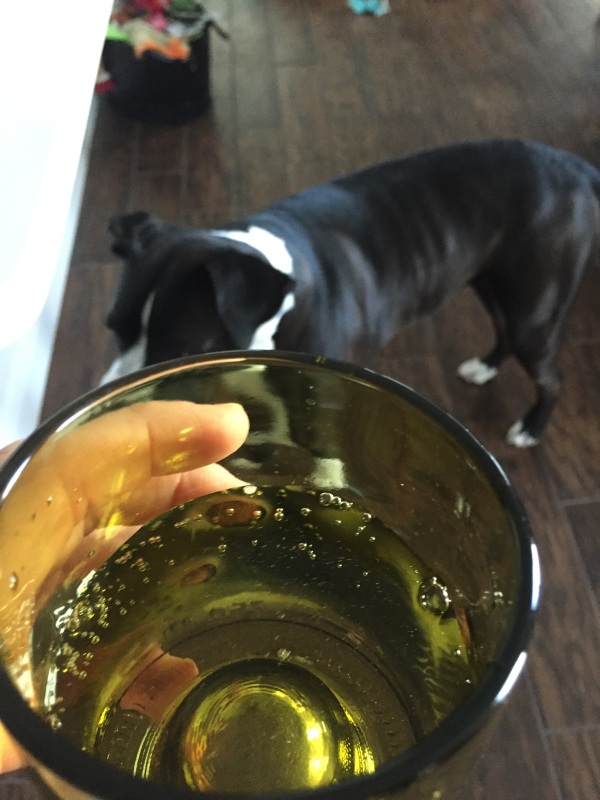
Sailor is a classic Fire Type. Hyper, happy, kisses up your nose. Photobombs expertly.
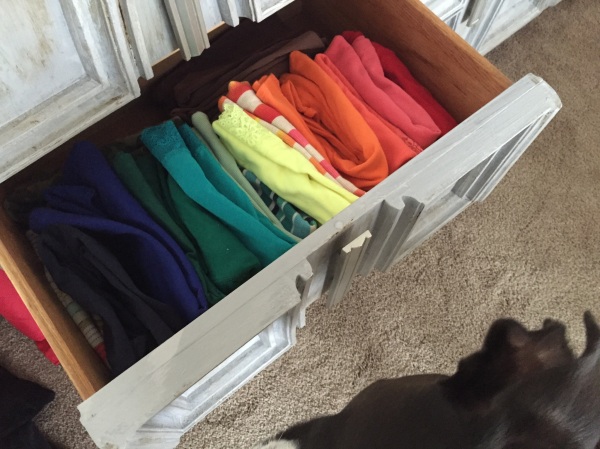
Fire Personality photobombs the rainbow sock drawer picture. Yellow or Red are the colors associated with the Fire Element.
EARTH – The Mother – Delights: laid back, friendly, sweet, easy to please, tolerant
Detriments: worries, obesity, weak limbs, digestion issues
What usually reveals EARTH character: lets anyone do anything to them, never angers or bites
Watch out: Late Summer HARVEST inflammatory bowel disease, organ prolapse, obesity, hypothyroidism
Companion Match: will support a METAL, calm a WATER, withstand excess FIRE
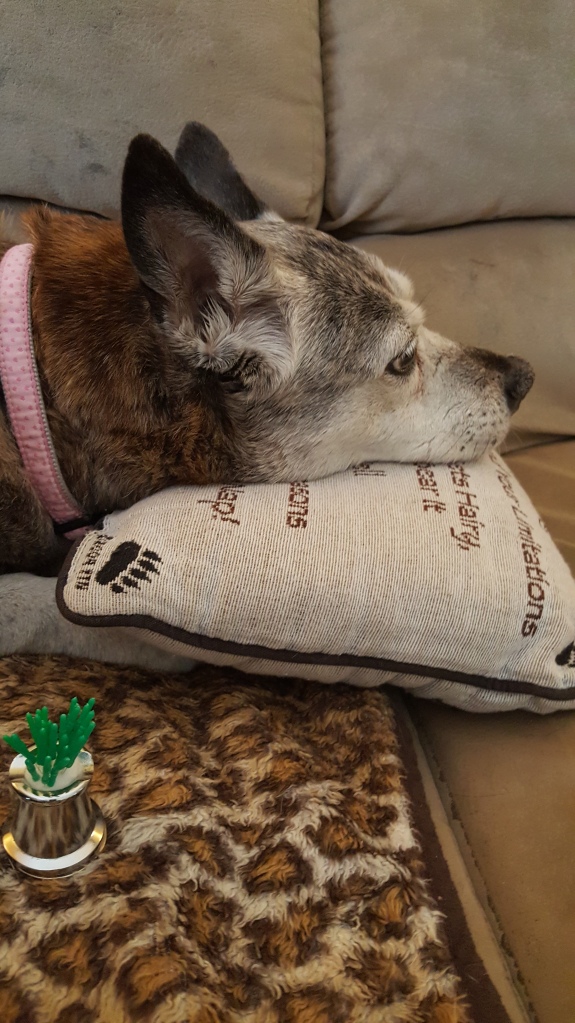
Earth Personality Dogs – at their best – know how to enjoy a good meal. And a pillow. Orange or Brown are the colors associated with the Earth Element.
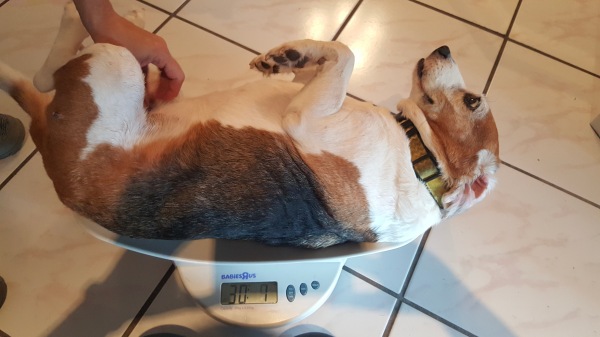
Earth Element dogs can be very, very tolerant.
METAL – Prime Minister – Focus: aloof, independent, organized, quiet, confident & consistent
Faults: nasal congestion, lung disease, asthma, constipation
What usually reveals METAL character: incists precisely when it is mealtime or bedtime
Watch out: FALL bronchitis & asthma
Companion Match: will intrigue a WATER, limit a WOOD, appreciate an EARTH
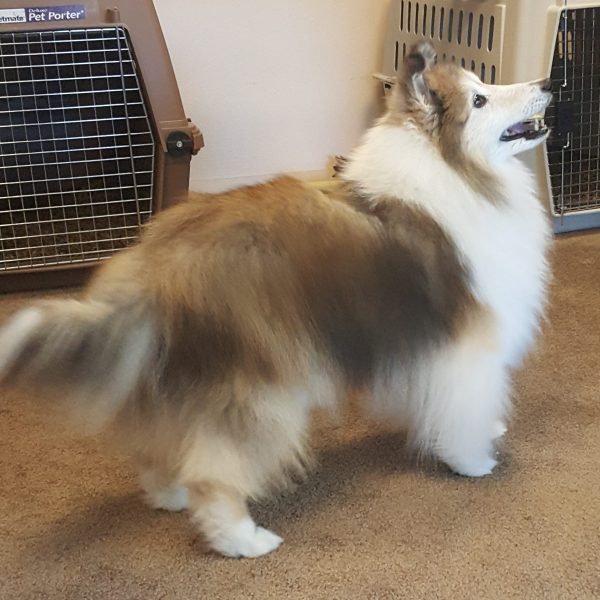
Symmetrical body, beautiful haircoat, asocial Metal Element Shetland Sheepdog. White or gray are the colors associated with the Metal Element.
WATER – Philosopher – Positives: quiet, solitary, hestant, observant, analytical, skillful strategizer
Peaves: Fearful (may bite), shy, kidney & bladder problems, arthritis & disc disease
What usually reveals WATER character: fear biter if stressed by new, sudden situation
Companion Match: will root a WOOD, calm a FIRE, co-exist with a METAL
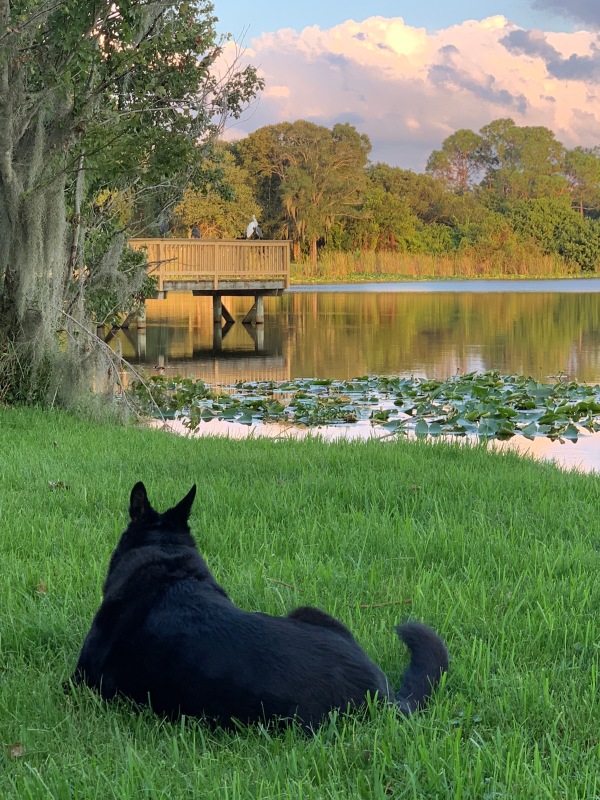
Doc Trulis Water Personality German Shepherd contemplates the lake, while ignoring yours Truli, the photographer. Black is the color representing the Water Element.
Healing Success for Great Pyrenees Autoimmune Skin Disease
Traditional Chinese Veterinary Medicine Gives Results When Steroids and Antibiotics Cannot
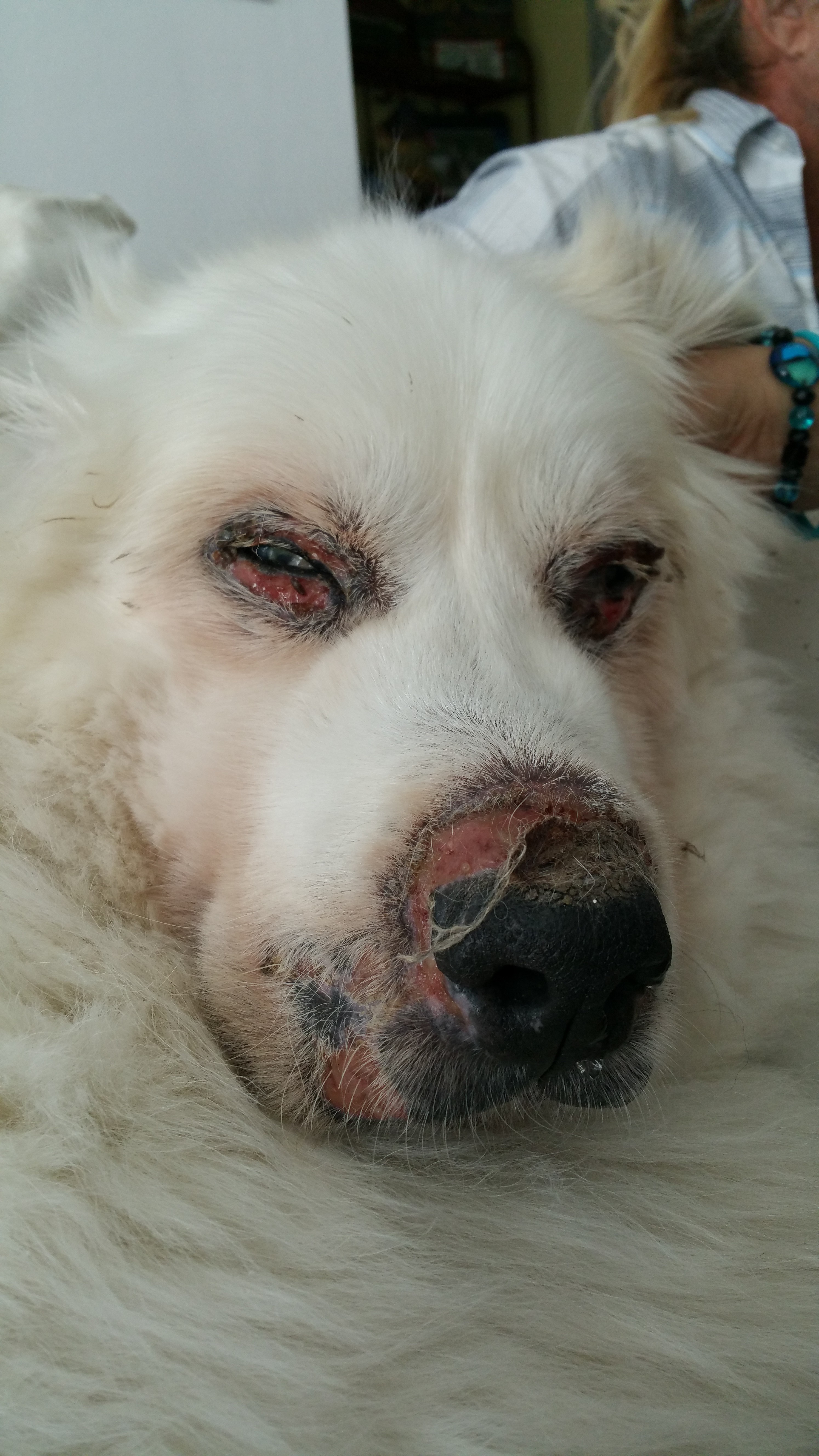
Max was sick for years. Specialists suspected pemphigus autoimmune skin disease.
What is wrong with Max?
Skin is healing. No more bleeding and crusts. Scars are inevitable!
Max had years of scabbing and bleeding at all the mucocutaneous (pronounced mew-ko-cue-tane-ee-us) junctions of his body. These are areas where haired skin meets the sensitive smooth lining skin at the nose, eyes, lips, anus, prepuce, and paw pads. They all hurt and cracked and bled. He spent much of his days asleep or rubbing his face along the walls to sooth himself. His people had taken him to nine (9) veterinarians in the few short years before he met Doc Truli, including board-certified dermatologists for dogs. Skin tests and cultures ruled out infections and common problems and skin surgical biopsies came back with inconclusive results. (This can happen, especially with long-term skin disease.) Specialists suspected Max suffered from autoimmune skin disease, such as pemphigus foliaceus (pronounced pem-fi-gus foal-ee-aa-shus) but could not prove it conclusively on any tests.
Traditional Chinese Veterinary Medicine Pattern Diagnosis (TCVM)
New Balance of Comfort- no scabs or bleeding!

Part-way healed. See the pink healthy skin?
Excess Heat
We approached Max’s conditional from the perspective of Traditional Chinese Veterinary Medicine (TCVM). First, he clearly had too much “heat” in his body. Blood, red, hot, dry, panting, wanting to sleep in the air-conditioned house. According to TCVM, we needed to cool his energy.
Deficient Cooling
He was also deficient in his own internal ability to cool his body. As you can guess, normally, a body will balance the heat and cool. You can add or take off some clothing layers. Turn on the heat, or a fan. Drink iced-tea and eat watermelon, or drink hot chocolate and eat roasted lamb. We energetically balance our bodies all the time. In Max’s case, none of it helped. He just could not cool down and stop spontaneously bleeding. Why? He was deficient in his own internal cooling and moisturizing ability- called the yin energy in TCVM. Max needed his yin energy to balance the hot yang burning-up feeling he had. He just did not have enough internal cooling to manage to pull it off!
The yin What?
In TCVM, everything can be described in balanced terms of yin and yang. Yang is energetic, hot, fast, upward, strong, loud, summertime, teenage years, mid-day. Yin is quiet, dark, cool, solid (substantial), inward, night-time, old age, Winter.
How did we help Max decrease the heat and increase his internal cooling?
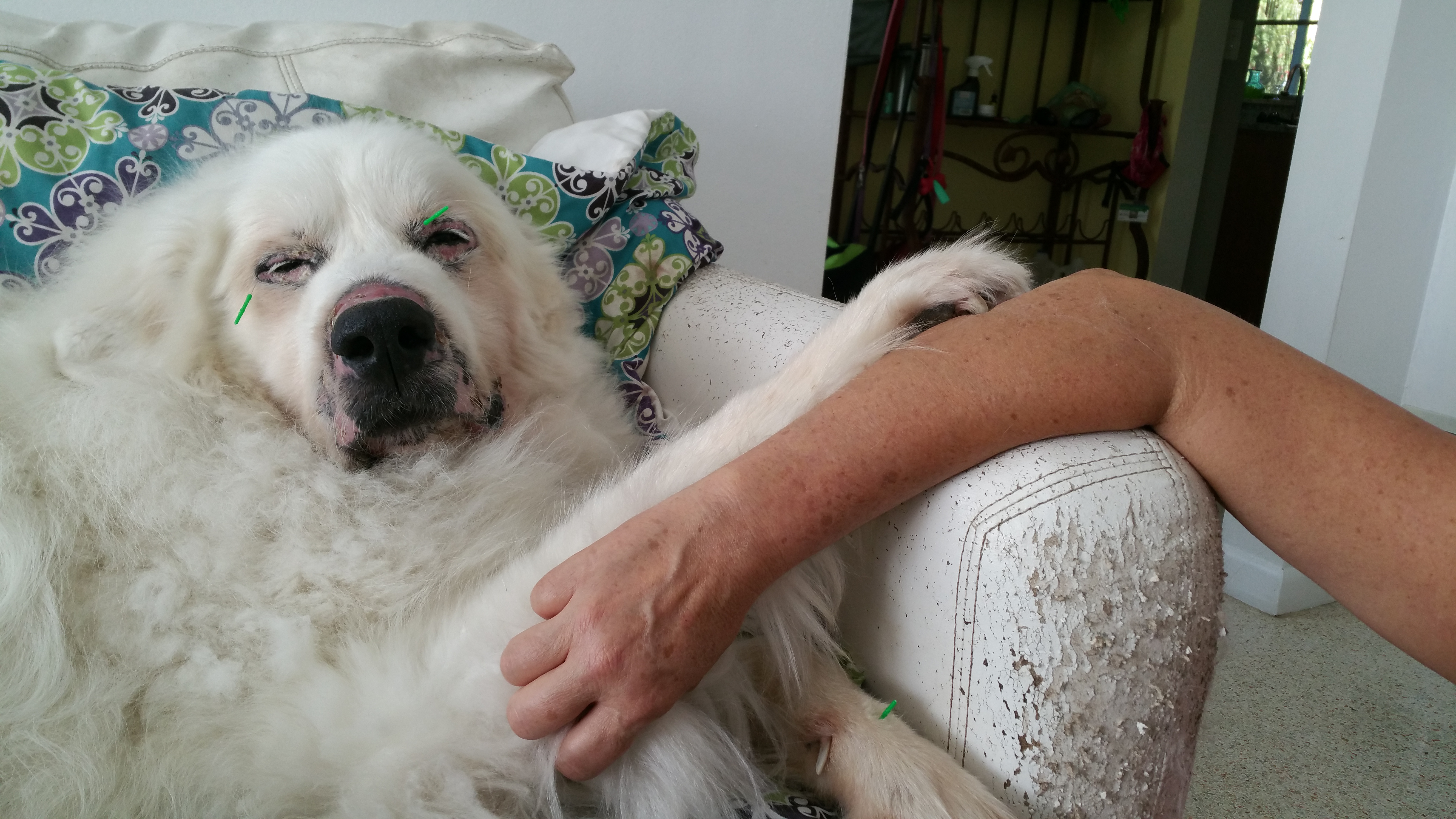
Max chills during his house call acupuncture

Max’s nose, eyelids and muzzle are 100% healed
First, we simply stopped giving him foods that increase heat in the body. Lamb, venison, shrimp, and chicken.
We added foods, Chinese herbal medicine, and acupuncture treatments to clear heat, boost cooling and moisturizing, treat pain, support the organ functions for detoxification and supporting normal balance and healing processes in the body. He became mostly vegetarian (like his humans), with specific foods and herbal formulas chosen to counter his particular imbalance.
Dear Reader: Each patient has a different Pattern expression of the underlying imbalance. We say “Many diseases, one Pattern. Many Patterns, one disease.” Your pet may have Pemphigous, but there are several underlying Patterns possible. Or your pet could have Yin and Qi Deficiency Pattern and have Pemphigous or Separation Anxiety or Arthritis, or… For further details about treatment, foods, and herbs to use, please consult with a veterinarian trained in Traditional Chinese Veterinary Medicine. The Chi Institute Resources provides a referral web service where you can examine a map of your area of the world to find trained veterinarians in your area.
Australian Cattle Dog Forbids Ear Touching, Needs Ear Healed
“Cutie” needed his head examined. Literally. The 6-year-old male neutered Australian Cattle Dog had an ear infection that would not quit. What can be done for an “end-stage” ear?
House call holistic veterinarian Doc Truli received a call on a Friday night. The distraught dog parent on the phone was reticent to discuss the case. “I don’t even know why I’m calling you. It takes 3 nurses just to hold him down so the vet can give him a sedative every time he has to go in for anything. I don’t want you to waste your time coming out to my house,” said “Cutie’s” mom in confused desperation.
We scheduled the appointment without knowing if I (yours Truli) could even touch the dog! Read more…
What is a “VMD?”
University of Pennsylvania School of Veterinary Medicine

Doc Truli with Maine Coon Patient
A veterinarian graduated from the University of Pennsylvania School of Medicine (“Penn Vet”) receives a Veterinariae Medicinae Doctoris degree, or VMD. It is Latin for a veterinary medical doctor.
The University of Pennsylvania School of Veterinary Medicine has been discovering, defining and inventing the very definition of what it means to be a veterinarian in the United States since 1884. The foundation and perspective provided by an education from a top veterinary college benefits your pet in incalculable ways.
Why Is a “VMD” Potentially Better?
Many “firsts” in the world happened at Penn. The specialties of veterinary ophthalmology, oncology and equine orthopedic surgery were invented at the University of Pennsylvania School of Veterinary Medicine. Penn Vet’s Ryan Hospital is one of the United States’ busiest veterinary teaching hospitals, with close to 33,000 small animal patient visits each year, 13,000 of which are emergency cases.
Vaccine Associated Fibrosarcoma
Imagine the rare and unusual diseases and conditions the students at Penn Vet see every day. Instead of 5 students discussing 2 or 3 critical care cases, we discussed 20 a week or more. Our teachers were the best in the world. Dr. Mattie Hendrick taught Doc Truli pathology. Why is this special? Did you hear about how sometimes certain vaccines can cause a cat to grow a cancer tumor at the vaccine injection site? Guess who discovered it? Yes, Doc Truli’s teacher, Dr. Hendrick. So when a client says to Doc Truli, “THEY discovered vaccine tumors,” Doc says, “my professor Dr. Hendrick is the “they” you heard about.” Day after day, for many hours, we worked side by side in the laboratory.
Feline Blood Types
Did you know that cats have blood types? You know, humans have A, B, O, AB and rhesus negative or positive? Well, cats have their own system and the wrong blood type in a transfusion could kill your cat in minutes. Why do we know this? Because of Dr. Urs Giger. Dr. Giger taught Doc Truli hematology at Penn Vet. Dr. Giger also happens to adore cats. He loves cats so much, he obtained funding to run his hematology lab specifically to research cats. Thank goodness Dr. Giger is fanatical about cats or the world may never have found out about cat blood types: A, B, and AB.
Barbaro’s Surgeon Taught Doc Truli
The clinicians and researchers at Penn Vet share teaching responsibilities. For example, Barbaro’s surgeon, Dr. Dean Richardson, taught Doc Truli horse surgery.
“I was so nervous to assist Dr. Richardson. He is known as a great teacher, but he is famous! I remember, we were removing a fibroid growth from a white pet horse’s front leg. The skin needed to stretch to close the incision. Dr. Richardson asked me for one centimeter stents. (A stent is a little tube we run the suture through, like cushioning, so the suture does not directly cut into the skin on a tight wound closure.) So I took the scalpel blade handle, which had a centimeter ruler on it, and I measured one centimeter stents.”
“What are you doing?” said Dr. Richardson, the world-famous surgeon.
“Making one centimeter stents,” said Doc Truli, still a student and first time in horse operating room.
“I didn’t mean exactly one centimeter,” said Dr. Richardson.
“Well, with me assisting you, you get what you asked for!” said Doc Truli.
“Students,” said Dr. Richardson.
Fanconi-Like Toxicity from Chicken Jerky Treats
Doc Truli says, “My experience being taught by scientists who also treat referral patients from around the world is invaluable in my everyday practice. When I saw a 35 pound (17 kg) spitz dog with a rare kidney disorder resembling Fanconi syndrome, I called an internal medicine specialist immediately. I explained the history and the symptoms. I mentioned my patient ate “chicken jerky treats.”
The specialist said, “we’ve had 4 other cases in the past 5 days and we did not ask what they had eaten. I’m going to check that.” They all had chicken jerky treats from China. Cooper City Veterinary Specialists in South Florida published the discovery of another kind of kidney failure chicken jerky treats from China were causing in our pets. Would I have known to collaborate with the specialist and collate the information effectively without my Penn Vet background? I’ll never know. It’s just what I do every day for every patient.
Do you want your pet to be treated by a person who read about the problem in a book, or by someone who was personally taught by the discoverer of the problem? Do you want a vet that follows what the specialists say and what the textbook protocol is only, or do you want a vet with the knowledge and experience to know if your pet has something rare, or something new? If I can have the best, I want the best.
The Only Veterinary School Developed in Association with a Medical School: So What?
Veterinary medicine in America used to be a trade. Trimming horse hooves, drenching cows, skills that farm managers typically delegate to farm hands today. Penn Vet never thought that way. Founded in 1884, Penn Vet is the only veterinary school developed in association with a medical school. The medical college at UPenn sits a few blocks down Spruce Street from the veterinary school. They co-evolved over the years until today, they are members of the One Health Initiative linking human, animal, and environmental health. “But that was 1884,” you say. Well, yes. Doc Truli explains how the unique relationship of Penn Vet at UPenn Med directly allowed her to help research dog brain cancer cures.
Safety and Transduction of a Herpes Virus in Dog Brain
“As a Penn Vet student, I was selected for a prestigious Merck Research Fellowship studying a herpes virus as a backbone – or vector – to deliver a unique brain cancer treatment into dog brain cancer,” says Doc Truli. The research took place at Penn Vet, Wistar Institute and the University of Pennsylvania Medical College. “The Wistar Institute had the DNA laboratory. The medical school had an awesome machine shop where we could make a metal-free stereotactic unit to hold and measure exactly where we were in the dogs’ brains (like a frame to hold the head) and the magnetic resonance imaging (MR) facility. Penn Vet had the dogs and the surgery suite and the – well, frankly – the funding from a research grant to make it all possible,” says Doc Truli.
“I could have a breakfast meeting at PennVet with the leading dog genetics and neurosurgery experts, then lunch at Wistar where they taught me how to use fluorescent labeling to mark the DNA and then walk to the medical college for a meeting about the technical difficulties making holders for different sized dog heads (they are not similar like human heads.)”
“I can tell you- I was struck by all the marble and brass in the medical college! We do not have fancy building materials like that at the veterinary college,” says Doc Truli.
The collaboration and geographic proximity of the medical and veterinary colleges and unique world-class institutes like the Wistar Institute and the Philadelphia Monell Chemical Senses Center make ideas and initiatives flow. “I collaborate with world-class specialists to benefit my patients to this day,” says Doc Truli.
Teaching, Research and Clinical Care Under One Roof

Fantastic Exotic Shorthair cat submits to a cystocentesis procedure
The University of Pennsylvania School of Veterinary Medicine has been discovering, defining and inventing the very definition of what it means to be a veterinarian in the United States since 1884. The unique geographic convenience of top research institutions in West Philadelphia generate opportunities such as Doc Truli’s brain cancer research. The generous case-load of primary and referral patients from Philadelphia and the surrounding states provides patients to study and heal. The New Bolton Center large animal hospital has treated the most famous horses in the world, including Barbaro and Annihilator. The mission of the University of Pennsylvania School of Veterinary Medicine to bring Specialty practice to the profession started in the 1940’s and continues today. This school generates unparalleled scientists and clinicians.
Doc Truli is a VMD
So what is a VMD? Doc Truli is a VMD. Your pet will enjoy top world-class care and treatment with Doc Truli.
How Acupuncture Saved at least US$2,000
Acupuncture Gets Murphy Home 2 Days Earlier than Specialists’ Prediction
The Call for a “House Call” Comes In
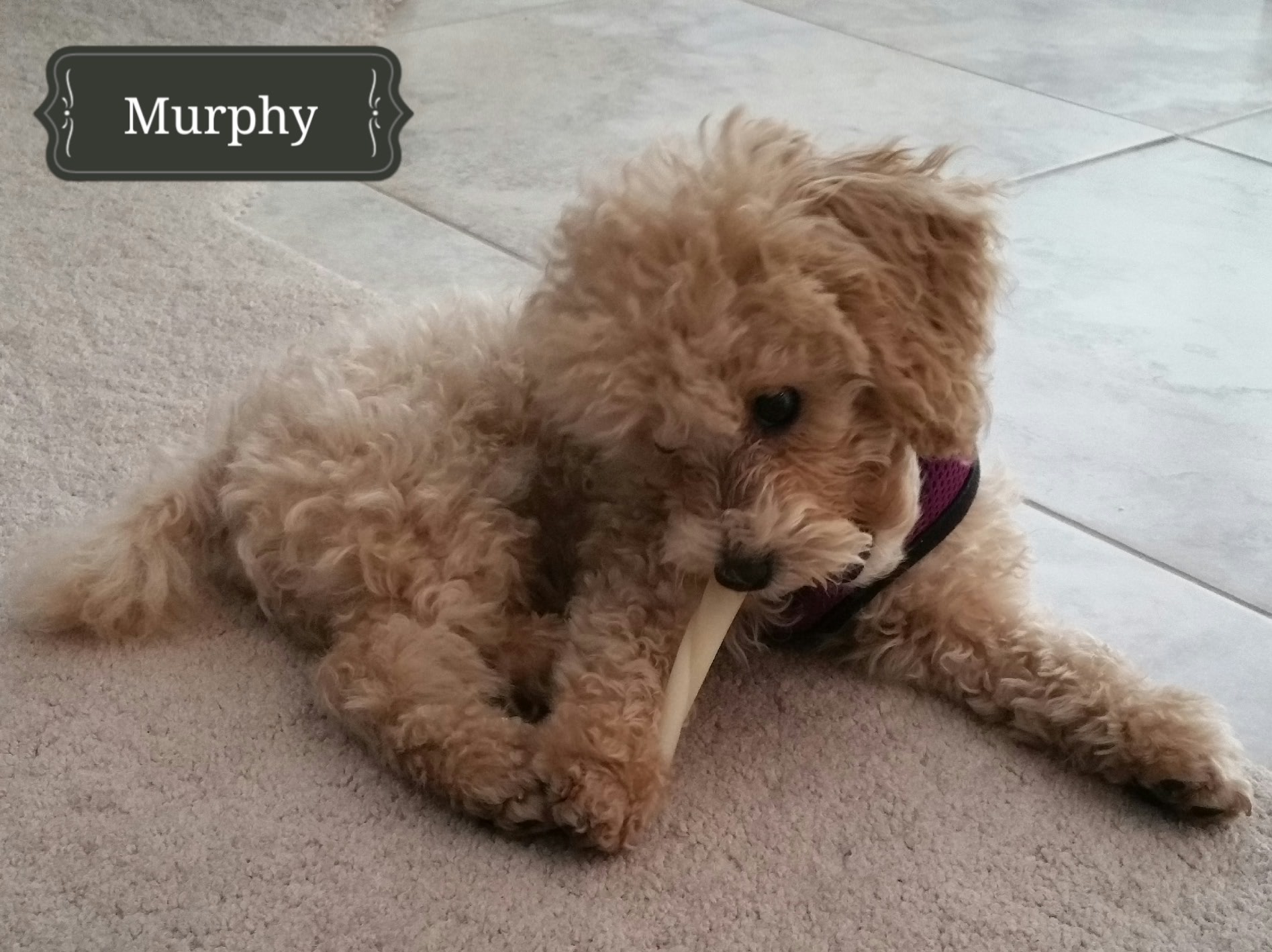
Thanks for the treat!
“Is this Doc Truli?”
The phone signal was weak, but we could understand each other.
“Yes,” I said.
“My 9 week-old poodle puppy is in the intensive care unit and they are doing everything they can for him. I was wondering if acupuncture would help him,” asked the apricot teacup poodle’s mom. “Can you meet us at the intensive care hospital in 15 minutes?”
“I’ll meet you there,” I said. I hung up, started up the purrs-like-a-kitten (it doesn’t) 1999 faded burgundy Ford Explorer dog truck and headed for the overnight specialty hospital at 9:30 pm on a Saturday night. I am a holistic house call veterinarian. Read more…
One Veterinarian to Cure “The Holding Pattern”
What Is the Holding Pattern?
“The holding pattern is what I call it when a veterinarian just repeats what was done at the last visit, without giving you any options for discovering predisposing factors or perpetuating circumstances that cause your pet to have the same problem over and over again,” says Doc Truli, “It wastes money and shows shoddy medical practice.”
Imagine this: your pet has itchy skin. Maybe a few sores, maybe a bacterial or yeast infection. You went to your veterinarian and your pet received a steroid injection and antibiotics. Probably you also took home some medicated shampoo. If your veterinarian practices integrative medicine, you likely also took home some omega 3 fatty acids and prescription skin support food. Maybe your veterinarian ran the appropriate diagnostic tests for skin problems: a skin scrape cytology, skin tape cytology, fungal culture, trichogram and maybe an endocrine and thyroid function blood panel and serum allergy tests. The cost was tremendous and the results were pretty good. For a few months.
Now imagine you returned to the animal hospital for a recheck about 2-4 weeks after initiating treatment. You are given a refill of steroids and antibiotics and sent on your way maybe another US$100 lighter. What happened? You were put into the holding pattern. Read more…
One-year-old Maltese with Terrible Itchy Skin
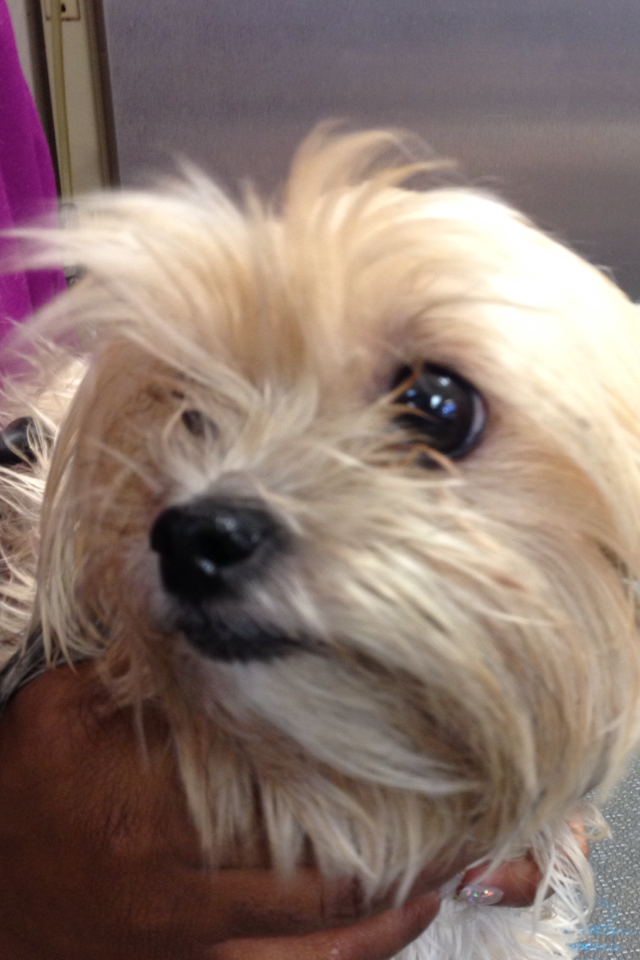
1-Year-Old Maltese
Why does 1 of my dogs have bad skin and her litter mate is perfect?
“I’m beside myself. Chica stays up all night itching and I’ve tried everything.” Rosada stood defiantly planted on the opposite side of the stainless steel exam table from Doc Truli. A 4-pound (1.8 kg) Maltese shook in her little fuzzy white paws on a pink towel on the slick silver table. “Her sister is twice her size and her skin is perfect. I know Chica was the runt of the litter, but why is her skin so bad?”
Read more…
8-Year-Old Shih Tzu With Swollen Mouth
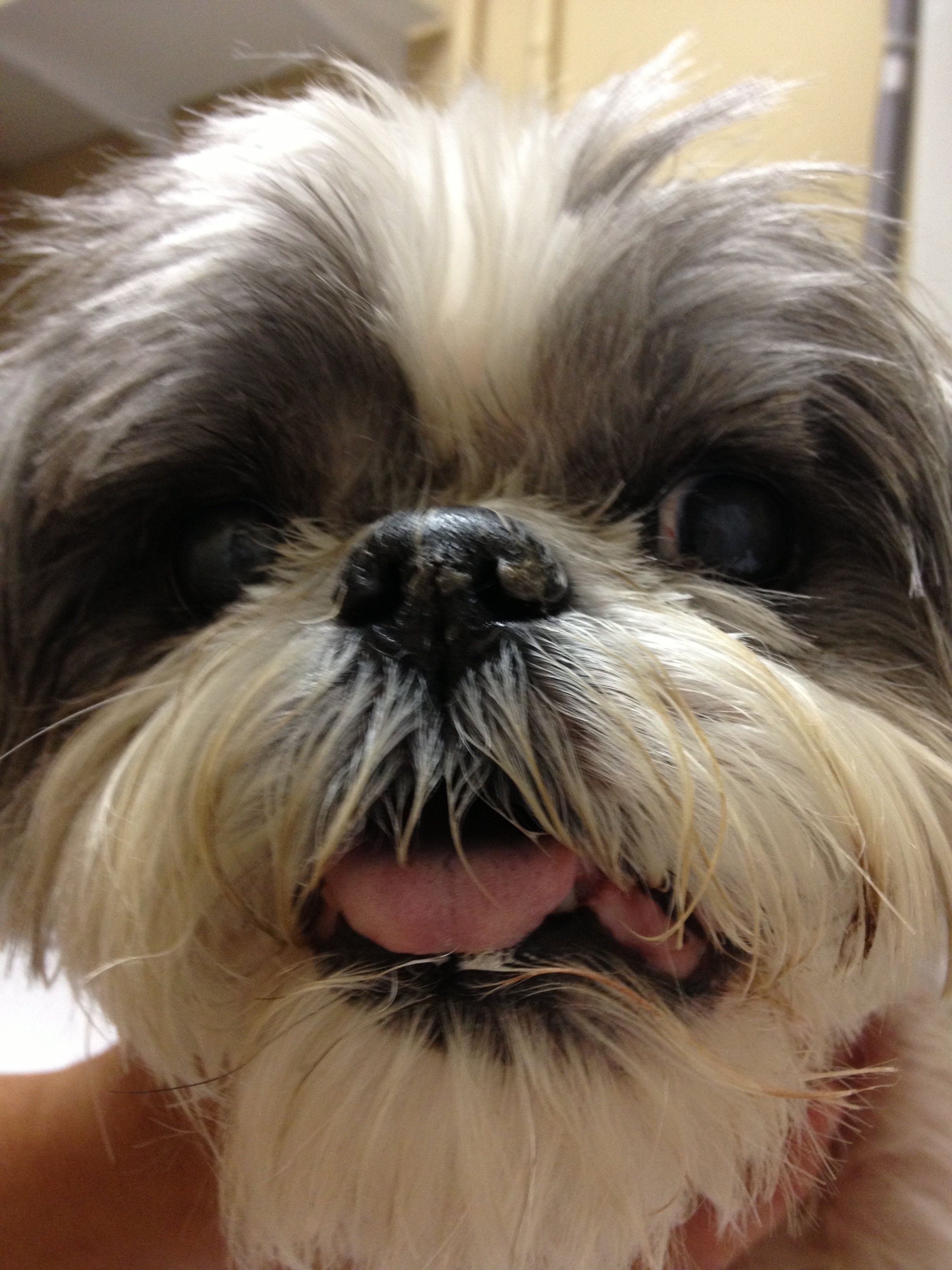
Little Shih Tzu has a Lump
Mei Mei wagged her stubby scrubby black and white tail. A tiny fur matt dangled off the end like a tail earring. Mei Mei stamped her front paws as if to say, “Give me a cookie!” Doc Truli laughed and felt the little Shih Tzu’s submandibular lymph nodes.
Mei Mei’s mom said, “Her face has been swollen for a few weeks. We know her teeth are bad We figured it’s a tooth root abscess. We really don’t want to put her through surgery. We just want to try antibiotics.”
Before launching into the discussion about why antibiotics will never cure a tooth root abscess, Doc decided to examine little Mei Mei.
“Oh Nancy, antibiotics aren’t going to help this,” said Doc Truli
Cat Bite Abscess Healing Process
How Does a Bite Wound Heal?
Remember Minnie from VirtuaVet’s last story about cat bite wounds?
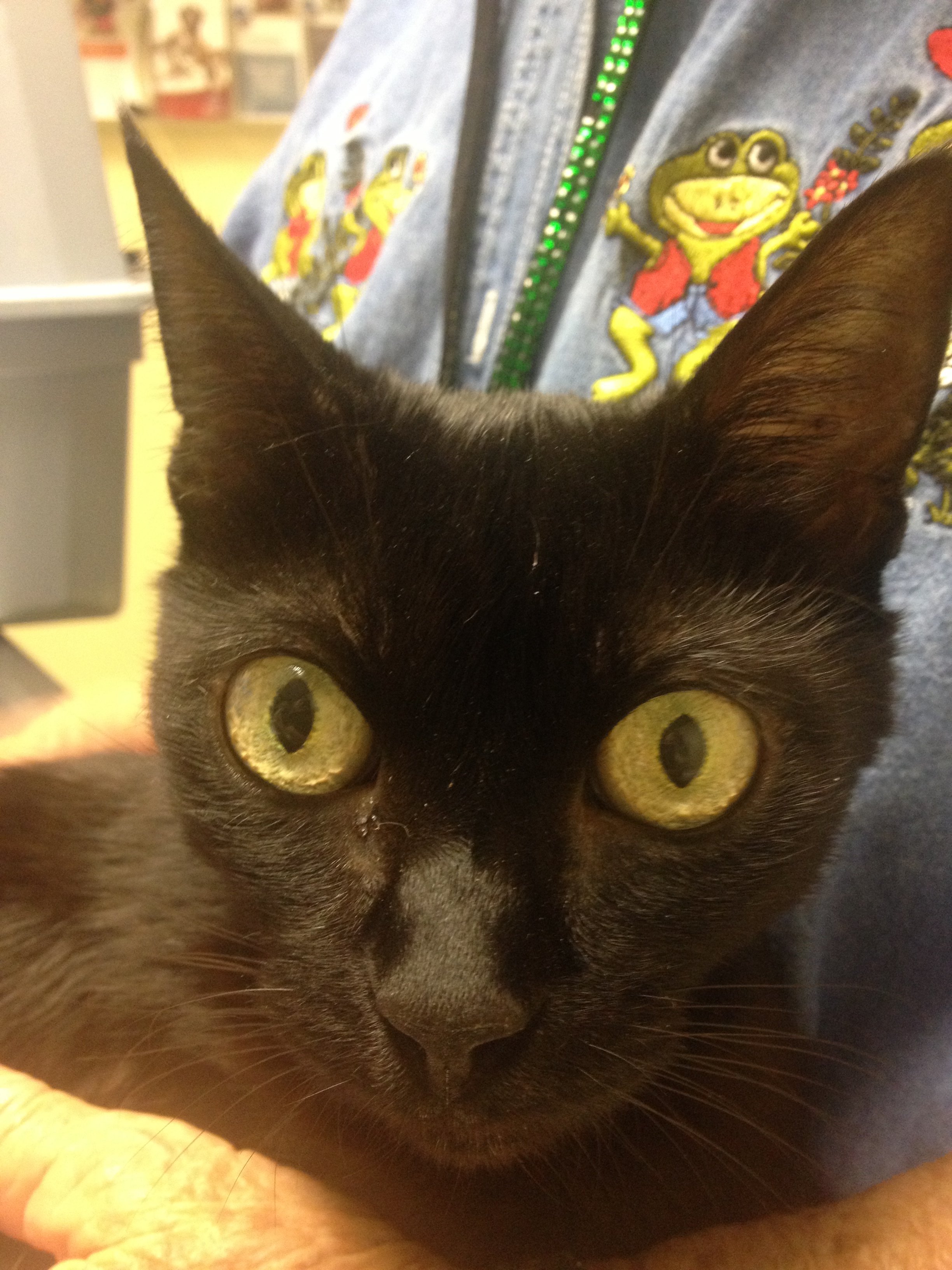
Thermometer?!
Drains Prevent Sepsis
First, Minnie was supposed to come visit Doc Truli three to five days after her original surgery in order to have her Penrose latex drains removed from underneath her skin on her right hind leg.
“I had to take care of an emergency with my family, and then I was in the hospital, and it just didn’t happen,” said Minnie’s human. “I kept it clean and dry.”
Doc Truli evaluated the drains and the wound healing. “Minnie’s lucky. She’s healing really well. We have to remove these drains and make sure there are no pieces of latex stuck under her skin. They would act like a foreign body and cause a severe reaction,” said Doc Truli.
 "Petcare decisions are practical, ethical, moral, and spiritual decisions" -Doc Truli


 VirtuaVet